
Home › Dental Fillings in Madinaguda
Restorative dentistry · Madinaguda
Dental Fillings in Madinaguda
Looking for dental fillings in Madinaguda? If you have a cavity, chipped tooth or worn filling, a dental filling may help restore suitable tooth structure and support comfortable chewing. Learn about tooth-coloured materials, how treatment works and what to expect during your consultation.
✓ Tooth-specific assessment ✓ Materials explained ✓ Aftercare guidance
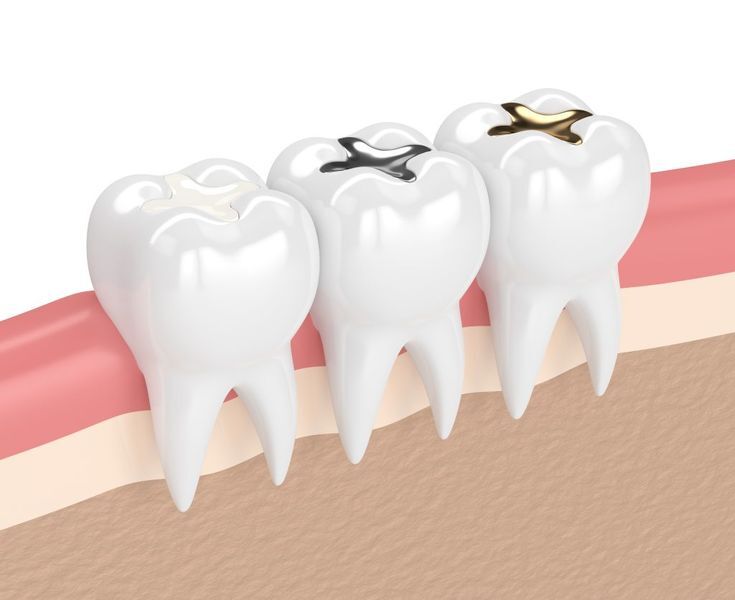
Healthy tooth structure comes first
Fillings are chosen by cavity size, location and tooth condition
Purpose
Repair suitable cavities or minor tooth damage
Common option
Tooth-coloured composite resin
Visits
Often one for a direct filling, depending on the case
Final cost
Confirmed after clinical assessment
Understand the treatment
What is a dental filling?
A dental filling is a restorative material used to replace a portion of missing or damaged tooth structure, often after removing tooth decay. The aim is to restore the tooth's shape and help it function normally.
A dentist may also consider fillings for certain small chips, worn areas or defects. The material and restoration design depend on the tooth, cavity size, bite forces and appearance goals. Not every damaged tooth can be predictably treated with a routine filling.
Quick answer: Dental fillings can repair selected cavities, but a very large cavity, deep infection or extensively weakened tooth may need a crown, root canal treatment or another approach.

01 · Decay removal
The affected area is assessed and cleaned before the tooth is restored.
02 · Material choice
A suitable restorative material is selected based on the tooth and clinical needs.
03 · Shape and bite
The restoration is shaped and checked against how your teeth meet.
04 · Ongoing care
Daily cleaning and dental reviews remain important after a filling.
When to visit a dentist
Signs you may need a tooth filling
Some cavities cause no early pain. A dental examination is the best way to confirm whether a filling or another treatment is needed.
01
A visible hole or dark area
A spot or cavity may indicate decay, though discoloration alone does not confirm that a filling is required.
02
Food trapping or rough edges
Food repeatedly catching between teeth, or a rough surface, deserves examination for decay or restoration problems.
03
Sensitivity to cold or sweets
Sensitivity can be caused by cavities or other issues. Persistent or worsening symptoms need assessment.
04
A chipped or worn tooth
A direct restoration may repair some minor damage after the dentist checks the remaining tooth structure.
05
A broken or loose filling
An old restoration may need repair or replacement if it fractures, becomes loose or develops recurrent decay.
06
Pain when chewing
Chewing pain can have several causes, including a cracked tooth. Do not assume that a filling alone will solve it.
! Get prompt assessment
Severe persistent pain, facial swelling, fever or a spreading infection can require urgent dental care rather than a routine filling appointment.
Treatment materials
Types of dental fillings
Different materials have distinct advantages, limitations and indications. Ask which of these options are suitable for your tooth.
Tooth-coloured
Composite resin fillings
Composite resin can be shade-matched to natural teeth and bonded directly to suitable tooth structure. It is commonly considered for small to moderate restorations.
Specific uses
Glass ionomer fillings
Glass ionomer releases fluoride and may suit selected low-stress areas or particular dental situations. It is not the strongest option for every chewing surface.
Metal-based
Amalgam fillings
Dental amalgam is a metallic filling material historically used for certain back teeth. Suitability, availability and patient-specific considerations should be discussed.
Indirect options
Ceramic or gold inlays
These are custom-made restorations, usually prepared outside the mouth, and differ from a routine direct filling in appointments, preparation and fees.
Good to know: These are educational options. Your dentist will advise which restorative materials are appropriate and available for your tooth.
Compare your options
Composite vs glass ionomer vs amalgam fillings
This comparison is designed to help you ask informed questions during your appointment rather than select a filling material without an examination.
Composite resin
Appearance: Tooth-coloured
Typical consideration: Selected front or back tooth cavities
Important limitation: Technique and isolation are important; can stain or wear over time
Glass ionomer
Appearance: Tooth-coloured, often more opaque
Typical consideration: Selected low-stress or specific restorative situations
Important limitation: Lower strength than some other restorative choices
Amalgam
Appearance: Silver-grey
Typical consideration: Selected chewing surfaces where appropriate
Important limitation: Not tooth-coloured; use depends on availability and patient factors
Ceramic inlay/onlay
Appearance: Tooth-coloured
Typical consideration: Custom indirect restoration for selected larger defects
Important limitation: May require additional preparation, laboratory work and appointments
The correct choice depends on clinical findings and professional judgment, not appearance alone.
Treatment steps
How does dental filling treatment work?
A routine direct filling commonly involves the following steps. The exact process and number of visits depend on the tooth and chosen restoration.
01
Dental examination
The dentist checks the affected tooth, symptoms, bite and gums. An X-ray may be advised.
02
Planning and comfort
The material and procedure are explained. Local anaesthesia may be used when appropriate.
03
Remove decay
Damaged or decayed tooth tissue is removed conservatively as needed.
04
Place the filling
The chosen material is placed, shaped and set or cured according to its properties.
05
Check and advise
The filling and bite are reviewed, followed by instructions on eating, sensitivity and hygiene.
Does getting a filling hurt? Modern filling procedures are often well tolerated, especially with appropriate anaesthesia when indicated. Sensitivity or discomfort can still occur; report pain that is severe, worsening or persistent.
Transparent treatment planning
Dental fillings cost in Madinaguda
There is no single fee that fits every filling. The price depends on the tooth's condition, filling material, cavity size, tooth location and whether any additional diagnosis or treatment is required.
Request an itemised estimate after a dental examination and ask whether the quote is per tooth.
01 · Tooth and cavity size
A small single-surface filling and a larger multi-surface restoration can differ in complexity.
02 · Material selected
Different materials and direct or indirect techniques may have different costs.
03 · Diagnostic needs
Examination, X-rays and other necessary dental work may be charged separately.
04 · Further treatment
A crown or root canal may be recommended instead if the tooth cannot be managed with a filling alone.
Choosing the right treatment
Dental filling vs crown vs root canal
Patients often ask which treatment they need. The correct option depends on the depth of decay, strength of the remaining tooth and whether the tooth's nerve is affected.
Dental filling
What it does: Replaces missing or damaged tooth structure
When it may be considered: A suitable cavity or minor defect with enough healthy tooth remaining
Dental crown
What it does: Covers and protects much of a weakened tooth
When it may be considered: A tooth with substantial structural damage that needs a stronger restoration
Root canal treatment
What it does: Treats the inflamed or infected pulp inside a tooth
When it may be considered: Deep pulp disease or infection; usually followed by an appropriate restoration
After your appointment
Recovery, sensitivity and filling aftercare
A filling can restore a tooth's shape, but careful daily hygiene and routine check-ups remain important.
What to do after a filling
✓ If anaesthesia was used, avoid biting your lip, cheek or tongue until the numbness wears off.
✓ Follow your dentist's instructions about eating and chewing, which vary by material and treatment.
✓ Continue brushing twice daily with fluoride toothpaste and cleaning between teeth.
✓ Attend recommended reviews and report a filling that feels too high when biting.
When to contact the dentist
✓ Discomfort is severe, increasing or lasts longer than expected.
✓ The filling cracks, breaks or becomes loose.
✓ There is pain on biting, persistent temperature sensitivity or an unusual bite.
✓ Swelling, fever or other signs of infection develop.
How long does a filling last? Filling lifespan varies with the material, cavity size, bite forces, grinding habits, oral hygiene and changes in the surrounding tooth. No fixed lifespan or permanent result can be guaranteed.

Dr. Lekhya Buddharaju
BDS · Dental Surgeon
Your dental consultation
Meet Dr. Lekhya Buddharaju
BDS · Dental Surgeon · Restorative dental consultations
During a dental filling consultation, Dr. Lekhya Buddharaju can assess the tooth, discuss appropriate restoration choices, and explain treatment alternatives, risks and aftercare.
Your visit is an opportunity to understand whether a filling, crown or another treatment suits the actual condition of your tooth before you decide.
Practical patient care
Why consider Madinaguda Dentist for dental fillings?
Clear information and an individual examination matter more than blanket promises of pain-free treatment or permanent results.
01
Convenient Madinaguda location
Easy to reach for patients from Madinaguda, Hafeezpet, Miyapur, Chandanagar and nearby neighbourhoods.
02
Understand all suitable options
Ask whether a direct filling, crown or another restoration is appropriate for the actual condition of the tooth.
03
Know what happens after treatment
Discuss eating advice, sensitivity, oral hygiene, warning signs and your follow-up needs before leaving.
Patient questions
Dental fillings FAQs
Direct answers to common questions about cavity fillings in Madinaguda.
Further patient information: American Dental Association – tooth decay. This is supplementary information, not a substitute for your own dentist's advice.
How much does a dental filling cost in Madinaguda?
The fee depends on cavity size, filling material, tooth location and whether other work is needed. Request an up-to-date quote from the clinic after an examination, and check whether it is per tooth.
Are dental fillings painful?
A filling is often well tolerated, and local anaesthesia may be used when needed. Some people notice temporary sensitivity afterward. Persistent or worsening discomfort should be checked by a dentist.
Is a tooth-coloured composite filling better than a silver filling?
Composite fillings blend with natural tooth colour, while amalgam has a metallic appearance. The best material for a particular tooth depends on its location, defect size, moisture control, patient circumstances and available options.
Can a cavity be filled in one appointment?
Many routine direct fillings can be completed in one appointment. Large, complex or indirect restorations may require additional visits or a different treatment plan.
How long do dental fillings last?
Longevity varies considerably with material, size, tooth position, oral hygiene and biting forces. Fillings can wear, fracture or develop decay around their margins, so regular dental reviews are important.
Can I eat immediately after a dental filling?
Follow the dentist's instructions for the material used. If your mouth is numb from anaesthesia, wait until normal sensation returns to reduce the chance of accidentally biting soft tissues.
Is tooth sensitivity normal after a filling?
Some temporary sensitivity to temperature or pressure can occur. Contact your dentist if it is severe, getting worse, lasts longer than expected or the bite feels uneven.
When might I need a crown instead of a filling?
A crown or another protective restoration may be considered when too much healthy tooth structure is missing for a routine filling. Your dentist will make this decision after checking the tooth.
When does a cavity need a root canal rather than a filling?
If decay or damage has significantly affected the pulp inside the tooth, root canal treatment may be recommended. Not all painful cavities need root canals, and examination is necessary to distinguish the causes.
Can a filled tooth develop decay again?
Yes. A filling does not prevent new decay around the restoration or elsewhere on the tooth. Daily fluoride brushing, cleaning between teeth, sensible dietary habits and dental reviews still matter.
What should I do if a filling falls out?
Arrange a dental appointment promptly. Keep the area clean, avoid chewing hard foods on that tooth and do not attempt to fix it with household adhesives.
How can I book a filling consultation near Madinaguda?
Call the clinic on +91 97016 33429 to book a dental fillings consultation. The team will confirm a suitable date and time with you.
Visit the clinic
Get dental fillings in Madinaguda, Hyderabad
Contact the clinic to discuss a dental examination if you have a cavity, damaged tooth or concerns about an existing filling. We are in Ramakrishna Nagar, Madinaguda, beside Bata Showroom.
Address
2nd Floor, S Furniture Building, Beside Bata Showroom, Ramakrishna Nagar, Madinaguda, Hafeezpet, Hyderabad, Telangana 500049
Call
Hours
Monday – Sunday: 10:00 AM to 9:00 PM
Care starts with an examination
Concerned about a cavity or damaged tooth?
Book a consultation and ask which treatment is suitable for your tooth, what it involves and the confirmed current cost.
Book a dental fillings consultation
To book dental fillings in Madinaguda, call the clinic with your name, the tooth concern and a preferred date. You can also email us and the team will get back to you.
Clinic hours: Monday – Sunday, 10:00 AM to 9:00 PM. This page provides general dental education, not an individual diagnosis. Seek urgent advice for severe dental pain, facial swelling, fever or difficulty swallowing.