
Home › Crowns Treatment in Madinaguda
Restorative dentistry · Madinaguda
Crowns Treatment in Madinaguda
Looking for crowns treatment in Madinaguda? If you have a cracked, worn or weakened tooth, a dental crown may help restore its shape, strength and chewing function. Learn about ceramic, zirconia and porcelain-fused-to-metal crowns — and speak with a dentist about the option that suits your tooth.
✓ Tooth-specific assessment ✓ Material options explained ✓ Clear aftercare guidance
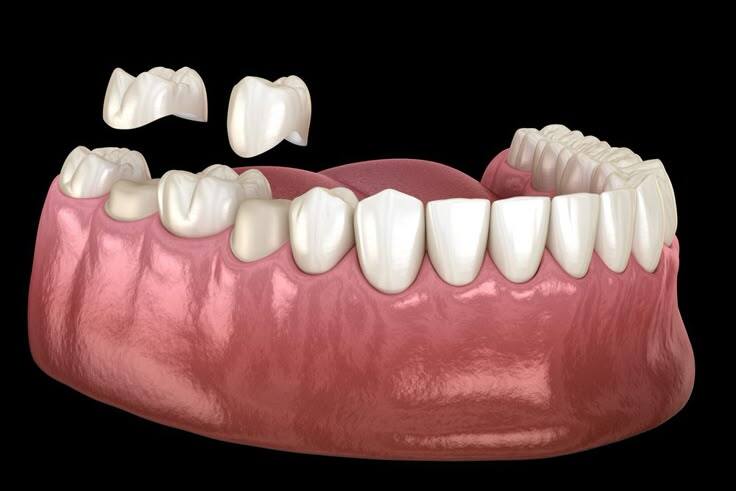
Natural-looking options
Custom fit for your tooth
Purpose
Restore and protect a damaged tooth
Common materials
Zirconia, ceramic and PFM
Appointments
Often two or more; varies by case
Suitability
Confirmed after dental examination
The basics
What is a dental crown?
A dental crown — sometimes called a tooth cap — is a custom-made covering placed over an existing tooth. It is designed to restore shape, help the tooth withstand everyday chewing forces and, where relevant, improve its appearance.
Crowns are commonly considered when there is too little healthy tooth structure for a routine filling, after some root canal treatments, or when a tooth is fractured or heavily worn. They do not make a tooth immune to decay: the surrounding tooth and gums still need care.
Not every damaged tooth needs a crown. A filling, onlay or another restoration may be more suitable. The decision depends on an examination and, when needed, dental X-rays.

Your crown is planned around your tooth, bite and gums
When to seek advice
When might you need a dental crown?
These situations can lead a dentist to recommend a crown, but they are not a diagnosis on their own.
01
Broken or cracked tooth
A crown may protect a tooth with significant structural damage once the fracture has been assessed.
02
Large or failing filling
When very little healthy tooth remains, a filling may not give enough support.
03
After root canal treatment
Some treated teeth, particularly back teeth, need additional protection against fracture.
04
Severe tooth wear
A crown may restore tooth height or chewing surfaces after the cause of wear is evaluated.
05
Shape or colour concerns
A crown can sometimes improve appearance, although less invasive options may be suitable.
06
Supporting other restorations
A crown may be used as part of certain dental bridges or on a dental implant.
Materials and options
Types of dental crowns
The ideal material depends on the tooth's location, how much space is available, biting forces, appearance preferences and the dentist's assessment. Ask which materials are available for your case.
Metal-free option
Zirconia crowns
Made from strong dental ceramic. Often considered for teeth that need durability, including many back-tooth restorations.
Strength-focused
Aesthetic option
All-ceramic crowns
Designed to achieve a natural tooth-coloured appearance. Material choice and suitability depend on the bite and tooth position.
Natural appearance
Layered restoration
PFM crowns
Porcelain-fused-to-metal crowns combine a metal substructure with an outer tooth-coloured layer.
Metal + porcelain
Other possibilities
Metal or temporary crowns
Metal crowns may suit selected teeth; a temporary crown can protect a prepared tooth while a final restoration is made.
Case-dependent
Make an informed choice
Zirconia vs ceramic vs PFM crowns
There is no single “best” material for every patient. This comparison helps frame the discussion with your dentist.
Zirconia
Appearance: Tooth coloured
Typical consideration: High-strength restorations
Trade-offs to discuss: Translucency, available space and bite adjustment
All-ceramic
Appearance: Often highly natural looking
Typical consideration: Visible teeth and appearance-sensitive cases
Trade-offs to discuss: Specific ceramic type, thickness and fracture risk
PFM
Appearance: Porcelain over metal
Typical consideration: Cases where a metal-supported crown is considered
Trade-offs to discuss: Possible porcelain chipping and dark metal margins
Full metal
Appearance: Metallic
Typical consideration: Selected back teeth
Trade-offs to discuss: Visibility, material preference and suitability
Material recommendations depend on your individual clinical needs; this comparison is general education, not a personal prescription.
Cost and planning
Dental crowns cost in Madinaguda
The cost of a dental crown depends on more than the material alone. A transparent estimate should explain the crown type, tooth preparation, laboratory work and whether additional treatment is needed.
What affects the final quote?
01 · Crown material and laboratory
02 · Tooth condition and preparation
03 · Need for a build-up or root canal
04 · Temporary crown and follow-up
Online price estimates can be out of date or may exclude related procedures. Ask the clinic for its current itemised fee schedule, including the material, preparation, laboratory charges and follow-up care.
Questions to ask before agreeing
✓ Which crown material is recommended, and why?
✓ Is the quote per tooth, and what is included?
✓ Will the tooth need a core build-up or root canal first?
✓ How many appointments should I plan for?
✓ What follow-up care or adjustments may be needed?
An exact price and treatment plan can only be confirmed after your dentist examines the tooth.
From consultation to fit
How does dental crown treatment work?
Most conventional crowns follow these steps. The number and length of appointments vary depending on the tooth and laboratory arrangements.
01
Dental assessment
The dentist examines the tooth, bite and gums, and may recommend an X-ray.
02
Treatment planning
Discuss whether a crown is needed, suitable materials, risks and costs.
03
Tooth preparation
The tooth is shaped as needed; damaged tissue or decay is managed first.
04
Scan or impression
A model or digital scan is used to make the custom restoration. A temporary crown may be placed.
05
Fit and review
The final crown is checked for fit, contact and bite, then secured as appropriate.
Compare your options
Crown, filling, onlay or veneer?
A crown is not always the most conservative treatment. Ask about alternatives before making a decision.
F
Filling
May repair smaller areas of decay or damage where adequate healthy tooth remains.
O
Onlay
Can cover a damaged chewing surface while preserving more natural tooth structure in suitable cases.
V
Veneer
Usually considered for selected appearance concerns on front teeth, not a substitute for structural protection in every case.
A damaged tooth may require a different approach, including extraction and replacement, if it cannot predictably be restored.
Realistic expectations
Comfort, appointment time and crown lifespan
Does crown treatment hurt?
Tooth preparation is commonly performed with local anaesthesia. Pressure may still be felt during treatment, and some temporary sensitivity or soreness is possible afterward. Tell your dentist if the crown feels high when you bite, or if pain persists.
How long does it take?
Conventional crowns commonly require at least two appointments, with time between visits for laboratory fabrication. Treatment can take longer if decay, gum problems or root canal treatment must be addressed first. Same-day crowns require specific equipment and should not be assumed to be available.
How long can a crown last?
Many crowns serve for years, sometimes 5–15 years or longer, but lifespan varies with biting forces, material, oral hygiene and the condition of the supporting tooth.
What are the risks?
Sensitivity, chipping, looseness, bite discomfort or decay at the crown margin can occur. Some crowns eventually need repair or replacement.
How do I care for it?
Brush twice a day with fluoride toothpaste, clean between teeth, attend dental reviews and avoid chewing ice or using teeth as tools. Ask about a night guard if you grind.

Dr. Lekhya Buddharaju
BDS · Dental Surgeon
People behind your care
Meet Dr. Lekhya Buddharaju
BDS · Dental Surgeon · Dental crown consultations
A dental consultation should include an assessment, a clear explanation of options and an opportunity to ask questions before treatment begins.
A crown consultation with Dr. Lekhya Buddharaju can include examining the tooth and discussing crown suitability, materials, alternatives and aftercare.
Before visiting: Call the clinic to confirm appointment availability for your crown assessment.
Patient questions
Dental crowns FAQs
Short answers to common questions people ask before a dental crown consultation in Madinaguda.
What is the cost of a dental crown in Madinaguda?
The price varies with crown material, laboratory charges, tooth preparation and any additional care. For a current estimate, call Madinaguda Dentist on +91 97016 33429 and ask for an itemised quote after examination.
Which crown is better: zirconia or ceramic?
Both may be appropriate. Zirconia is often selected for strength, while some all-ceramic materials offer excellent translucency for visible teeth. The best option depends on tooth position, bite forces, available space and your priorities.
Is a crown necessary after root canal treatment?
Not always. Many heavily restored back teeth need a crown or another protective restoration after a root canal, but the choice depends on the amount of healthy tooth structure and your dentist's assessment.
Is dental crown treatment painful?
Local anaesthesia is commonly used during tooth preparation. Mild sensitivity or soreness may follow. Persistent or worsening pain, swelling or bite discomfort should be reviewed by a dentist.
How many visits are needed for a dental crown?
A conventional crown often requires two visits or more: one for preparation and the impression or scan, and another to fit the final crown. Additional treatment can change that schedule.
How long does a dental crown last?
Many last for years — often around 5 to 15 years or more — depending on material, oral hygiene, grinding habits, bite forces and the underlying tooth. No fixed lifespan can be promised.
Can a dental crown get a cavity?
The crown itself cannot develop decay, but natural tooth structure at the crown edge can. Daily brushing, interdental cleaning and regular dental checks help reduce the risk.
Can I eat after getting a crown?
Wait for local anaesthesia to wear off so you do not accidentally bite your cheek or tongue. Follow the dentist's instructions about temporary cement, hard or sticky foods and the timing of normal chewing.
What happens if my crown becomes loose?
Contact your dentist promptly. Keep the crown safe if it comes off, avoid chewing on the affected tooth and do not try to glue it back with household adhesives.
Are crowns suitable for front teeth?
Yes, certain ceramic and zirconia crowns can be used on front teeth. Your dentist will consider colour matching, appearance, remaining tooth structure and whether a less invasive treatment would work.
Explore related care
Related dental treatments
Crowns are often planned alongside other restorative treatments.
Visit the clinic
Visit us for crowns treatment in Madinaguda
Located in Madinaguda, the clinic is also convenient for patients travelling from Hafeezpet, Miyapur, Chandanagar and nearby areas. Call to confirm your appointment before travelling.
Address
2nd Floor, S Furniture Building, Beside Bata Showroom, Ramakrishna Nagar, Madinaguda, Hafeezpet, Hyderabad, Telangana 500049
Phone
Opening hours
Monday – Sunday: 10:00 AM to 9:00 PM
Next step
Not sure whether your tooth needs a crown?
Start with an examination. A dentist can explain whether a crown, onlay or filling is suitable, and outline the likely visits and cost.
Book a crown consultation
To book crowns treatment in Madinaguda, call the clinic with your name, the tooth concern and a preferred date. You can also email us and the team will get back to you.
Clinic hours: Monday – Sunday, 10:00 AM to 9:00 PM. In case of facial swelling with difficulty breathing or swallowing, seek emergency medical care.