Home › Wisdom Tooth Removal in Madinaguda
Wisdom tooth care · Madinaguda
Wisdom Tooth Removal in Madinaguda
Looking for wisdom tooth removal in Madinaguda? If you have pain or swelling near a wisdom tooth, start with an assessment, not an assumption. Understand your options, likely costs and recovery before deciding on treatment.
✓ Individual assessment ✓ Options explained ✓ Recovery guidance

The right decision starts with a closer look
Illustration only — not a patient scan or diagnosis
Know your clinician
Ask who will assess and treat your tooth
Understand your estimate
Confirm the procedure and what is included
Plan your recovery
Ask about aftercare and follow-up
Understand your options
Not every wisdom tooth needs removal.
Wisdom teeth are the last molars at the back of the mouth. Removal may be considered when a tooth causes disease or other problems. A healthy, low-risk tooth may instead be monitored.
An examination and, when indicated, imaging help guide that decision. Not having pain does not rule out a problem, so keep up routine dental checks.
! Trouble breathing or swallowing, or severe spreading swelling?
Seek emergency medical care now. Do not wait for an appointment or an email reply from the clinic.
When to arrange a visit
When should you book an assessment?
These concerns are reasons to seek dental advice, not an automatic recommendation for extraction.
01
Pain or swelling
Discomfort behind the last molar or swelling around the gum deserves an examination. Symptoms do not identify the cause on their own.
02
Repeated gum infection
Inflammation around a partly erupted tooth can recur. Ask about the cause, immediate care and longer-term options.
03
Food trapping or decay
Difficult-to-clean areas can affect the wisdom tooth or the tooth beside it. A dentist should assess any damage.
04
A finding at a check-up
Some problems are picked up before pain develops. Discuss the significance of any examination or X-ray finding.
Tell the clinic about severe or worsening symptoms when you call. Appointment availability and the appropriate care setting need to be confirmed.

Dr. Lekhya Buddharaju
BDS · Dental Surgeon
Meet the dentist
Dr. Lekhya Buddharaju
BDS · Dental Surgeon
Speak to the clinic about a wisdom tooth consultation. Bring your concerns and ask which clinician will carry out your assessment.
Before agreeing to treatment, confirm who will perform the extraction, their relevant experience and where your care will take place.
An assessment is not a promise of same-day surgery. The findings, the clinical team's availability and your medical needs determine the next step.
Complex teeth need the right clinician and setting.
A difficult tooth position or additional medical needs may require a surgeon or another care setting. Ask the clinic to explain any referral and anaesthesia arrangements.
Treatment options
Monitoring, extraction or specialist assessment?
The tooth's condition, position and your health matter more than a one-size-fits-all treatment promise.
Review when appropriate
Monitoring
A tooth without disease and with a low risk of future problems may stay in place, with periodic review. The plan can change if concerns develop.
Keep routine checks and report changes.
Accessible tooth
Straightforward extraction
When removal is indicated and the tooth is accessible, it may be removed without the more involved steps of a surgical extraction.
An examination determines the approach.
More involved removal
Surgical extraction
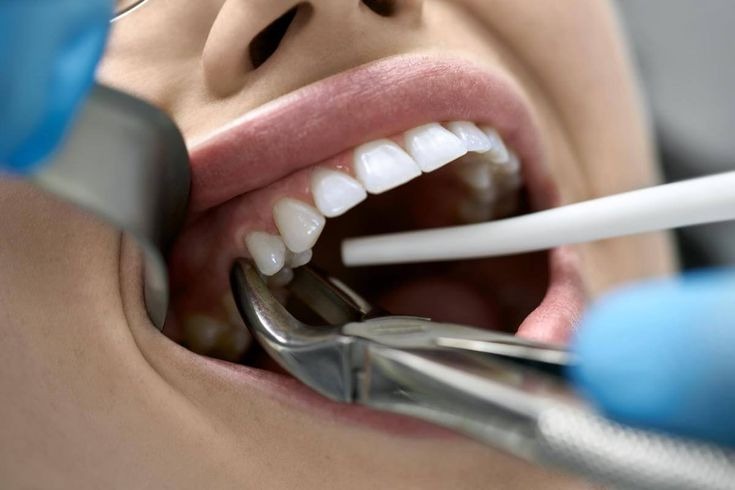
An impacted tooth may need a gum opening, limited bone removal or division into sections. Stitches may be used.
The procedure is tailored to the tooth.
When roots are close to a nerve
A specialist may discuss a coronectomy for selected lower wisdom teeth. This removes the crown while leaving suitable roots to reduce nerve-injury risk. It has its own limitations and follow-up needs. Availability and suitability must be assessed; it is not a routine option for everyone.
What to expect
Your consultation and treatment journey
The sequence and number of visits depend on your assessment.
01
Consultation
Discuss symptoms, medical history and medicines. The clinician examines the area and considers whether imaging is needed.
02
Options and estimate
Review the findings, alternatives, risks, anaesthesia and costs. Ask who will perform any recommended treatment.
03
Treatment, when indicated
The treatment area is numbed and the agreed procedure is carried out. The technique depends on the tooth and plan.
04
Aftercare and review
Get written instructions, advice on managing discomfort and a contact route for problems. Confirm any review or stitch check.
Before your visit: bring your medication list, allergies and any recent dental records. Mention blood-thinning medicines and other health conditions. Do not stop prescribed medicines yourself. Follow the treating team's instructions about food, drink, an escort and driving; preparation differs by anaesthesia.
Wisdom tooth removal cost
A guide to costs. A clear estimate before treatment.
The figures shown are indicative per-tooth guide ranges, not a confirmed quote. Your assessment determines the recommended procedure and final fee.
Ask for the total treatment cost and a written breakdown. Confirm consultation, imaging and any additional-care charges before proceeding.
Indicative guide · Per tooth
Simple wisdom tooth extraction
For a straightforward, accessible tooth
₹2,000–₹4,000
Partially impacted tooth removal
For a tooth partly covered by gum or bone
₹4,000–₹7,000
Fully impacted surgical extraction
For a more involved surgical approach
₹7,000–₹12,000
Guide ranges only, not a personal quote or a guarantee of suitability. Confirm current fees and inclusions with the clinic after your assessment.
Before you agree, ask what the estimate covers.
Examination and imaging
Are the consultation, X-rays and any additional scans charged separately?
Procedure and anaesthesia
Does the fee cover the agreed extraction, local anaesthesia and stitches if used?
Medicines and reviews
Ask about prescribed medicines, follow-up visits and any stitch removal.
Additional or specialist care
Clarify charges if the plan changes or you need treatment in another setting.
After your extraction
Recovery is part of the treatment plan.
Follow the instructions given for your procedure. Healing and time away from work vary; do not rely on a fixed recovery promise.
First 24 hours
Protect the blood clot.
Avoid rinsing, spitting or touching the socket. Rest and avoid strenuous activity. While numb, take care not to bite your lip or tongue or burn your mouth with hot food or drinks. Choose soft food as advised and follow the team's instructions for any bleeding.
From the next day
Clean gently.
After 24 hours, gentle rinsing and careful brushing may be started as instructed. Do not disturb the healing socket. Avoid smoking during recovery and use only medicines recommended for you.
Over the following days
Watch the direction of recovery.
Soreness, swelling and jaw stiffness can occur. Surgical swelling can be greatest in the first few days, then should begin to settle. Attend advised reviews; severe or worsening symptoms need professional advice.
Plan work and transport around your procedure. More difficult extractions and some anaesthetic options may require extra recovery time, an escort or driving restrictions. Confirm the instructions that apply to you.
Risks and when to seek help
Know what needs a review.
Your clinician should explain the risks relevant to the tooth, your health and the proposed procedure.
Possible complications
Dry socket, infection or persistent bleeding can occur after extraction. Good aftercare matters, but it cannot remove every risk.
Lower wisdom teeth may be near sensory nerves. Injury can cause altered feeling in the lip, chin or tongue, sometimes lasting. Ask how your individual risk has been assessed.
Contact a dental team promptly for
! Bleeding that does not stop after the instructed pressure measures.
! Severe or worsening pain or swelling.
! Fever, discharge, or a bad taste with feeling unwell.
For new or persistent numbness after the expected anaesthetic period, contact your treating team for advice. Difficulty breathing or swallowing, or severe spreading swelling, needs emergency medical care.
Frequently asked questions
Wisdom tooth removal FAQs
Practical questions to discuss before and after wisdom tooth treatment.
Does every wisdom tooth need to be removed?
No. A healthy, low-risk tooth may be kept under review. The decision should follow an examination, not just the presence or absence of pain. Problems can develop without symptoms.
What does wisdom tooth removal cost in Madinaguda?
The clinic's guide ranges from ₹2,000–₹4,000 for a simple extraction to ₹7,000–₹12,000 for fully impacted surgical removal, per tooth. These are indicative figures. Confirm current fees and inclusions after an assessment.
Will wisdom tooth removal hurt?
Local anaesthesia numbs the treatment area. Pressure may be noticeable; tell the clinician if you feel pain. Soreness afterwards is possible, so ask about the pain-control plan and when to seek advice.
Will I need X-rays or a 3D scan?
Imaging is recommended when it will help assess the tooth and plan treatment. A 3D scan is not automatic for everyone; selected cases may need more detail about nearby structures.
Will I need a specialist or hospital appointment?
Some teeth can be treated in a dental practice; a difficult extraction or additional medical needs may require referral. Confirm the treating clinician and setting after assessment.
Should I fast or stop medicines before my appointment?
Do not change prescribed medicines or assume you should fast. Ask for instructions tailored to the planned anaesthetic and your medical history. Tell the team about all medicines and allergies.
How long will I need off work?
It depends on the extraction, anaesthesia, recovery and your work. Some people resume routine activities soon; more involved treatment may need several days. Ask for an individual plan rather than a guaranteed return date.
When can I rinse my mouth or brush my teeth?
Avoid rinsing or spitting for the first 24 hours. After that, clean gently as instructed, taking care not to disturb the socket. Follow any different advice given for your particular procedure.
What can I eat after an extraction?
Choose soft foods and fluids that are not hot, and take care while your mouth is numb. Return to other foods gradually as comfort allows and your clinician advises.
What if pain, swelling or bleeding gets worse?
Contact your treating team promptly for severe or worsening symptoms, fever or persistent bleeding. Difficulty breathing or swallowing, or severe spreading swelling, requires emergency medical care without waiting for a routine appointment.
Related information
Find the right next step.
Visit Madinaguda Dentist
Book wisdom tooth removal in Madinaguda
Start with a wisdom tooth assessment. Ask the clinic about availability and the next step for your concern. Find us beside Bata Showroom in Ramakrishna Nagar, Madinaguda.
Clinic address
2nd Floor, S Furniture Building, Beside Bata Showroom, Ramakrishna Nagar, Madinaguda, Hafeezpet, Hyderabad, Telangana 500049
Phone
Email (non-urgent enquiries)
Usual opening hours
Monday – Sunday: 10:00 AM to 9:00 PM
Arrange a consultation
Tell us what is worrying you.
Call with your preferred date and main concern. Ask about the consultation fee and who will assess your tooth.
Book a wisdom tooth assessment
An enquiry is not a confirmed appointment — the clinic will agree a time with you. Do not send detailed medical records or use email for urgent symptoms.
General clinical information on this page draws on patient resources from the NHS, the British Association of Oral and Maxillofacial Surgeons and Cambridge University Hospitals. These organisations do not endorse this clinic. This page is general information, not a diagnosis.