
Home › Invisible Aligners Treatment in Madinaguda
Clear aligner consultations · Madinaguda
Invisible Aligners Treatment in Madinaguda
Looking for invisible aligners treatment in Madinaguda? A discreet option — and a decision worth understanding. Explore clear aligners for your smile, with a conversation about suitability, daily wear, costs and the next steps.
✓ Individual assessment ✓ Options explained ✓ Retainer planning
Start with the right questions
Who plans your treatment? What does it include? How is progress reviewed?
Know your clinician
Ask who plans and supervises your care
Understand the estimate
Discuss inclusions before treatment
Plan beyond the last tray
Include retention and follow-up
Understand your options
What are invisible aligners?
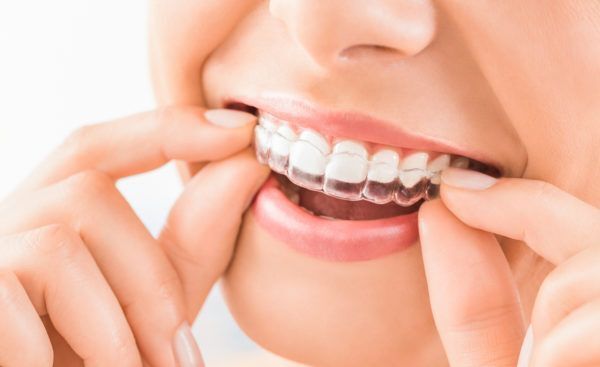
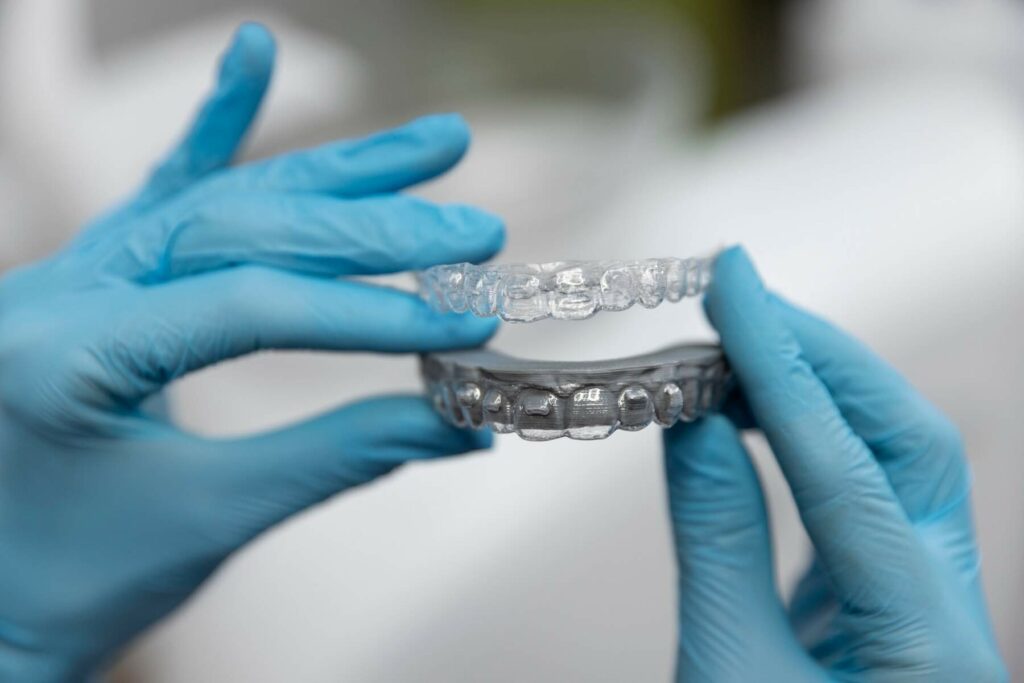
Invisible aligners, also called clear aligners, are removable transparent trays made to fit your teeth. A planned series applies gentle pressure to move teeth gradually. Suitability and the movements required should be assessed before treatment.
Clear aligners are a treatment category, not one single brand. At your consultation, ask which systems are available and how they compare with other options for your teeth.
Is an assessment right for you?
Different concerns. An individual plan.
These are common reasons to discuss tooth alignment. An examination, not a photograph or an online quiz, determines the appropriate approach.
01
Crowded teeth
Teeth that overlap or sit close together can be assessed for alignment options. The amount of space needed matters.
02
Spaces between teeth
Gaps may be suitable for treatment, depending on their cause and your bite. Ask what can realistically be changed.
03
Bite concerns
Some overbite, underbite or crossbite concerns may be managed with aligners. Others need a different or combined approach.
04
Alignment that has changed
Teeth may shift after earlier orthodontic treatment. Bring your previous records and retainer to discuss the next step.
Aligners are not right for every case. Complex movements or jaw relationships may need specialist assessment, fixed braces or additional treatment. A healthy mouth and a realistic wear routine are important parts of the discussion.

Dr. Lekhya Buddharaju
BDS · Dental Surgeon
Meet your consultation dentist
Dr. Lekhya Buddharaju
BDS · Dental Surgeon
Start with a dental consultation at Madinaguda Dentist. Discuss the changes you would like to explore and whether an orthodontic assessment is the appropriate next step.
Before starting aligners, ask who will diagnose your bite, approve the movement plan, supervise reviews and manage any refinements.
Clear roles matter. A dental consultation and specialist orthodontic treatment are different roles. Confirm the clinician responsible for each stage and whether specialist referral is recommended.
Treatment category and brand
Clear aligners and Invisalign: what is the difference?
Clear aligners describe a type of removable orthodontic appliance. Invisalign is one specific branded system. A clear-aligner plan is not automatically an Invisalign plan.
Ask which system is being proposed.
Confirm the brand, treating provider, plan scope and inclusions at your consultation. Brand availability and provider status should be checked before booking a specific system.
From first question to ongoing care
How clear aligner treatment is planned
The sequence and timing vary with your clinical needs and the proposed system.
01
Assessment
Discuss your concerns and dental history. Your teeth, gums and bite should be checked before choosing an appliance.
02
Records and choices
Scans or impressions, photographs and indicated imaging help with planning. Discuss alternatives, limitations, fees and the expected timeline.
03
Fitting and reviews
If aligners are suitable, follow the prescribed tray sequence and attend reviews. Ask how fit concerns or additional refinement stages will be handled.
04
Retainers and follow-up
After active movement, a retainer plan helps maintain tooth positions. Confirm the type, wear schedule, cost and follow-up arrangements.
Bring to your consultation: your main concerns, previous orthodontic records if available, details of relevant medical conditions and medicines, and questions about fees and reviews. A consultation does not commit you to treatment.
Cost of invisible aligners
Understand the full estimate. Not just the starting price.
Invisible aligners treatment cost in Madinaguda depends on the system, case complexity and treatment scope. Ask for a written, personalised estimate after assessment.
Use these questions to compare plans on the same basis. A headline price alone does not tell you what is included. Ask for the terms of any payment arrangement before committing.
Consultation and records
Are the examination, scans or impressions, photographs and indicated X-rays included?
Aligner plan
Which brand and plan are proposed? Does the estimate cover one arch or both arches?
Preparation and extras
Are any required fillings, gum care, attachments or other procedures charged separately?
Reviews and refinements
How many review visits and additional aligner stages are covered? Are there time limits?
Lost or damaged trays
What is the replacement policy, and what charges may apply?
Retainers and follow-up
Which retainers, replacements and follow-up appointments are included?
This is an estimate checklist, not a published clinic tariff. Get the agreed inclusions and exclusions in writing.
Compare your options
Invisible aligners vs braces
The right choice depends on your teeth, bite, treatment goals and daily routine. This is a general comparison, not an individual recommendation.
Clear aligners
Visibility: Transparent trays are less noticeable. Additional components may still be visible.
Meals and cleaning: Remove trays for eating and cleaning. Follow instructions for drinks.
Daily commitment: Consistent prescribed wear is essential. Removability requires discipline.
Suitability: Appropriate for selected cases. Some movements need additional appliances.
Treatment time: Depends on the case, plan and adherence. Not automatically faster.
After treatment: A prescribed retainer routine is generally needed.
Fixed braces
Visibility: Brackets and wires are attached to the teeth; ceramic options can be less noticeable.
Meals and cleaning: Appliances stay in place. Food choices and cleaning around brackets need care.
Daily commitment: Fixed appliances remain attached. You still need good hygiene and any prescribed elastics.
Suitability: May offer more control for certain complex movements. Assessment determines the choice.
Treatment time: Depends on the case and plan. Not automatically slower.
After treatment: A prescribed retainer routine is generally needed.
Life with aligners
A routine that supports your treatment
Follow the specific instructions for your appliance and your clinician's plan.
01
Wear as prescribed
Clear aligners are generally worn for 20 to 22 hours a day, or as directed. Follow your prescribed schedule rather than changing trays early.
02
Keep teeth and trays clean
Remove aligners for meals and drinks other than plain water. Clean your teeth before replacing them, and keep trays in their case when not in use.
03
Keep your reviews
Attend the review schedule agreed with your treating clinician. Continue routine dental care and report fit problems, lost trays or damage rather than waiting.
Realistic expectations
Time, comfort and the last step
How long will it take?
There is no single timeline for everyone. Your clinician estimates it after assessment; complexity, progress and consistent wear can change it. Aligners are not automatically faster than braces.
Will there be discomfort?
Pressure, tenderness or irritation can occur with orthodontic treatment. Ask your clinician about suitable comfort measures. Persistent or severe pain needs review.
Will I need retainers?
Usually, yes. Teeth can move after treatment. Follow the prescribed retainer routine and ask how cleaning, replacement and long-term checks will be managed.
Discuss risks before starting. Poor cleaning can contribute to tooth decay and gum problems, and teeth can move again after treatment. Your clinician should explain all the risks relevant to your case, not just the expected benefits.
Questions before you begin
Invisible aligners FAQs
Use these questions to prepare for a consultation about invisible aligners in Madinaguda.
How do I book invisible aligners treatment in Madinaguda?
Call +91 97016 33429 to request a consultation. Discuss your goals and ask about the initial consultation fee and availability. Treatment is recommended only after an appropriate assessment.
Are invisible aligners suitable for me?
Suitability depends on the tooth movements, bite and oral health involved. Some cases are better managed with braces or a combined approach. An orthodontic assessment helps establish the options.
Are all clear aligners Invisalign?
No. Invisalign is one branded clear-aligner system. Ask which brand and plan are being proposed and confirm the treating provider before choosing.
What is included in the cost?
That depends on the quoted plan. Request a written breakdown covering records, aligners, reviews, refinements, replacement trays, retainers and follow-up. Confirm any consultation charge and exclusions directly with the clinic.
Who will plan and supervise my treatment?
Ask the clinic to identify the clinician responsible for diagnosis, movement planning, progress checks and refinements before you start. Dr. Lekhya Buddharaju, BDS, Dental Surgeon, is available for the initial dental consultation. Confirm any specialist arrangements and who will supervise your aligner care.
How many hours a day should I wear aligners?
Follow your clinician's instructions, typically 20 to 22 hours daily. Remove them for meals and cleaning, and follow advice on drinks.
How long does treatment take?
Your estimate follows an examination and treatment plan. The amount and type of tooth movement, progress and adherence affect timing. Neither aligners nor braces are always the faster option.
What are attachments and additional procedures?
Some plans use extra components or space-creating procedures to help achieve the required movements. Ask what is proposed, why it is needed, its risks and whether its fee is included. Not every patient needs the same additions.
What happens if I lose or damage an aligner?
Contact your treating clinician promptly for instructions. Do not decide on a replacement sequence by yourself. Ask about the replacement policy before treatment starts.
Will I need extra aligners or refinements?
Ask how progress will be assessed and how any additional aligner stages would be authorised and charged. Make sure the quote states the permitted stages, time limits and any exclusions.
Can adults consider clear aligners?
Yes. Age alone does not decide suitability. Your teeth, gums, bite and ability to follow the treatment plan need assessment.
Do I need a retainer after the last aligner?
Usually, yes. Retainers help maintain tooth positions after active treatment. Your clinician will advise the type and wear routine, including any long-term use.
Explore related treatment
Compare before you decide.
Visit Madinaguda Dentist
Discuss invisible aligners treatment in Madinaguda
Speak to the clinic about availability and the next step for your alignment concerns. Find us beside Bata Showroom in Ramakrishna Nagar, Madinaguda.
Clinic address
2nd Floor, S Furniture Building, Beside Bata Showroom, Ramakrishna Nagar, Madinaguda, Hafeezpet, Hyderabad, Telangana 500049
Phone
Usual opening hours
Monday – Sunday: 10:00 AM to 9:00 PM
Arrange a consultation
Start with a conversation.
Call with your preferred date and main concern. Ask about the consultation fee and the clinician's availability.
Book an aligner consultation
An enquiry is not a confirmed appointment — the clinic will agree a time with you. Do not send detailed medical records or use ordinary email for urgent symptoms.
General clinical information on this page draws on patient resources from the American Association of Orthodontists, the British Orthodontic Society and the NHS. These organisations do not endorse this clinic. This page is general information, not a diagnosis.